
The Allure of Chance and Uncertainty
The thrill of unpredictability is a significant factor that draws players to casino games, and many enjoy the excitement of casino rocket slots that offer unique experiences. The psychology of gambling indicates that humans are naturally attracted to situations that involve chance, making casino environments particularly enticing. This attraction to risk and the potential for a reward can activate the brain’s reward system, causing feelings of excitement and euphoria. The uncertainty associated with games of chance keeps players engaged, as they often believe they can control outcomes through various strategies, despite the inherent randomness involved.
Moreover, the possibility of winning big is a powerful motivator. A player might find themselves enticed by the idea of hitting a jackpot, which taps into their fantasies of sudden wealth. This sense of hope fuels their desire to gamble, as each spin of a slot machine or roll of the dice could result in life-changing rewards. The psychological concept of intermittent reinforcement plays a crucial role here; the sporadic nature of wins leads to heightened anticipation and reinforces the behavior of gambling, encouraging players to return in search of that elusive big win.
Additionally, this uncertainty creates a phenomenon known as the “near miss.” When players lose but come close to winning, it tricks their minds into believing that success is just around the corner. This psychological effect can lead to increased gambling behavior, as players often rationalize that they are on the verge of a win and, therefore, continue to gamble in hopes of finally achieving that success. Thus, the thrill of chance and the emotional feedback it produces are significant factors in the psychology behind casino games.
Social Interaction and Community
Casino games are often viewed as communal experiences, where players come together to share their experiences. The social aspect of gambling enhances the entertainment value, allowing individuals to bond over shared hopes, strategies, and the excitement of the game. From lively poker tables to crowded slot machine areas, the atmosphere in a casino encourages interaction and camaraderie, which can contribute positively to a player’s overall experience. This sense of belonging can be particularly appealing, as it helps to alleviate feelings of isolation often associated with gambling.
Moreover, social influences play a crucial role in a player’s decision-making process when gambling. The presence of others can lead to a phenomenon known as social proof, where individuals look to the behavior of their peers to guide their own actions. If a player sees others winning or celebrating, they may be more inclined to join in and wager themselves, believing that the luck of the crowd may also extend to them. This dynamic can be particularly potent during games like roulette or blackjack, where the excitement and tension can create a collective experience that is hard to resist.

Lastly, shared experiences in gambling can lead to the formation of relationships over time, with players returning to the same tables or machines and building familiarity with one another. As these social bonds develop, players may find themselves more invested not only in the games but also in the community that surrounds them. This interplay between social interaction and gambling can enhance the overall experience, making it not just about winning but about enjoying time spent together with others who share similar interests.
The Role of Design and Environment
The physical layout and design of a casino are constructed with the psychological experience of the player in mind. Bright lights, vivid colors, and enticing sounds all contribute to creating an inviting atmosphere that encourages prolonged engagement. Research shows that these sensory stimuli can heighten excitement and stimulate the brain’s reward pathways, making players more receptive to spending time and money in the establishment. The strategic placement of games and the absence of clocks are deliberate decisions that prevent players from being aware of the time they spend gambling.
Furthermore, casinos use visual cues and signage to create a sense of urgency and excitement. Promotions such as “limited time offers” or “exclusive events” can create a perception of scarcity, driving the psychological need to participate before the opportunity disappears. This tactic plays into FOMO (Fear of Missing Out), where players feel compelled to participate in games or events, which can lead to impulsive decisions and increased play. The environment is crafted to make every moment feel like a potentially lucrative opportunity, leveraging psychological principles to keep players engaged.
In addition to physical design, the emotional ambiance within a casino also plays a crucial role. Elements such as the sounds of coins dropping, celebratory announcements, and upbeat music work together to cultivate an atmosphere of excitement. These auditory signals not only enhance the experience but also condition players to associate specific sounds with winning, reinforcing their desire to continue playing. Every detail, from the decor to the soundscapes, is meticulously thought out to optimize the players’ psychological response and encourage them to remain in the gaming environment for as long as possible.
The Influence of Cognitive Biases
Cognitive biases profoundly shape the decisions and behaviors of gamblers. One prominent example is the illusion of control, where players believe they can influence random outcomes through skill or strategy, leading them to take undue risks. This bias often manifests in games of chance, such as slot machines, where players might think that their choices can affect the spin results. Such beliefs can foster a sense of empowerment and increase the likelihood of continued play, despite the fundamental nature of these games being based on luck rather than skill.
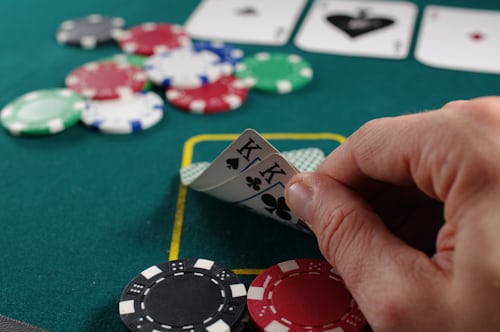
Another significant bias is the gambler’s fallacy, which is the belief that past events will influence future outcomes in a random game. For example, if a player witnesses several losses in a row, they may irrationally conclude that a win is due, leading them to wager larger amounts in hopes of recouping losses. This type of thinking can lead to problematic gambling behaviors, as individuals may disregard statistical probabilities and make decisions based on flawed logic that is emotionally charged but fundamentally misguided.
Understanding these cognitive biases is essential for both players and the gaming industry. Awareness of how these psychological influences operate can help individuals make more informed decisions when gambling, potentially reducing the risk of developing problematic gambling behaviors. For the industry, recognizing the cognitive biases at play can help operators design games and environments that cater to player psychology while also promoting responsible gambling practices, balancing profit with player well-being.
The Importance of Responsible Gaming Resources
As the psychological factors at play in casino gaming become increasingly understood, the importance of promoting responsible gaming has gained prominence. Many casinos and online gaming platforms have begun to implement resources and tools aimed at helping players maintain control over their gambling habits. These initiatives include self-exclusion programs, setting deposit limits, and offering educational materials about responsible gambling practices, all designed to encourage healthier relationships with gaming.
Additionally, fostering awareness of the psychological components of gambling can empower players to recognize when they may be crossing into dangerous territory. Through education and resources, individuals can learn to identify signs of problematic gambling, such as chasing losses or increased spending. By understanding the psychology behind their behavior, players can make more informed and conscious choices, ultimately ensuring that gaming remains a fun and recreational activity rather than a source of stress or financial strain.
Casinos and gaming websites are now more focused on creating a safe environment for players, understanding that a sustainable business model relies on player well-being. This commitment includes not only responsible gaming initiatives but also promoting awareness of support groups and counseling services for those who may be struggling with gambling addiction. By prioritizing these resources, the industry can contribute to a healthier gaming culture, which benefits both players and operators alike.