
Exploring the psychological triggers that drive gambling behavior
The Allure of Risk and Reward
The psychological triggers behind gambling behavior often stem from the inherent allure of risk and reward. When individuals engage in gambling activities, they experience a surge of adrenaline, a phenomenon tied to the unpredictability of outcomes. This rush can be intoxicating, as the brain releases dopamine, a neurotransmitter associated with pleasure. The potential for significant financial gain adds to this excitement, creating a cycle where the thrill of winning reinforces the desire to gamble. For a refreshing twist, players can explore the exciting Chicken Plinko online game, which captures this thrill in a unique way.
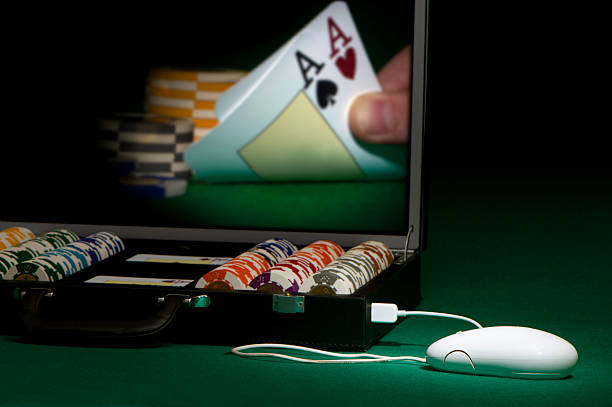
Moreover, the perception of control plays a crucial role in driving gambling behavior. Players often believe they can influence the outcome through their decisions, even in games of chance. This illusion of control enhances engagement, making individuals more likely to return to gambling, as they chase that next big win and the exhilarating feelings that accompany it.
The Role of Cognitive Biases
Cognitive biases significantly influence gambling behavior, steering individuals toward irrational decision-making. One common bias is the gambler’s fallacy, where players mistakenly believe that past outcomes will affect future results. For instance, if a slot machine hasn’t paid out in a while, players may feel it is “due” for a win, leading them to invest more money into the game. This type of thinking can sustain a cycle of gambling, as players continuously chase their perceived luck.
Additionally, confirmation bias plays a vital role in how gamblers process their experiences. When a player wins, they are likely to remember that success and overlook the numerous times they lost. This selective memory reinforces the notion that gambling is a viable way to make money, driving further engagement and a tendency to gamble more frequently.
Environmental Triggers and Social Influence
The environment in which gambling occurs can also trigger certain psychological responses. Bright lights, loud noises, and the presence of other players can create a stimulating atmosphere that heightens excitement and encourages risk-taking. Casinos are designed to keep players engaged and to prolong their stay, capitalizing on sensory inputs that fuel the desire to gamble.
Social influences further complicate this dynamic, as individuals may be encouraged to gamble by friends or peers. The social aspect of gambling creates a shared experience that can amplify excitement and reduce perceived risks. When gambling becomes a group activity, the desire to fit in or impress peers may override rational decision-making, leading individuals to take greater risks than they would on their own.
Addiction and Escalation of Commitment

Join the Adventure on Innovative Gaming Platforms
By understanding these psychological factors, players can make informed decisions about their gambling habits. Whether enjoying games for fun or seeking substantial payouts, it’s crucial to remain aware of the motivations driving gambling behavior. Engaging with responsible gaming platforms can enhance the experience while promoting healthy gaming habits.
“`