
Cultural insights into gambling practices around the world
The Historical Context of Gambling
Gambling has deep historical roots, dating back thousands of years. Ancient civilizations, such as the Chinese and Romans, incorporated various forms of gambling into their cultures, often linking it to social rituals and celebrations. These early practices laid the groundwork for the diverse gambling traditions we see today. For instance, the use of dice in ancient games reflects not just chance but also the spiritual beliefs of those societies, often seen as a way to connect with the divine. In modern times, the ice fishing gambling game exemplifies how betting can be both strategic and thrilling, drawing players into an immersive experience.

As societies evolved, so did the forms of gambling. In medieval Europe, gambling transitioned from local taverns to more organized events, where nobles and royalty participated. This evolution showcased how gambling adapted to cultural contexts, transforming from a mere pastime into a social event that reinforced social hierarchies and relationships.
The Role of Luck vs. Skill in Different Cultures
The balance between luck and skill varies significantly across cultures. In many Asian cultures, games like Mahjong emphasize skill, strategy, and social interaction, reflecting a deeper understanding of the game’s dynamics. Players often invest time in mastering the intricacies of the game, which is viewed as a testament to their social standing and intelligence. This highlights the nuanced perception of gambling, where skill can drastically influence outcomes.
Conversely, in Western gambling practices, particularly in casinos, the role of luck is often foregrounded. Slot machines and roulette games emphasize chance, drawing players who are excited by the possibility of instantaneous rewards. This dichotomy illustrates how cultural perspectives on gambling shape the kinds of games that are popular and the methods players employ to engage with them.
Gambling as a Cultural Reflection
Gambling practices often mirror the values and attitudes of a culture. In some cultures, such as in Las Vegas, gambling is a central part of the economy and tourism, representing freedom and opportunity. The glamour associated with casinos attracts millions, showcasing a lifestyle where risk-taking is celebrated.
In contrast, certain cultures view gambling with skepticism or outright disapproval. In many Middle Eastern countries, strict laws limit gambling activities, reflecting religious and moral beliefs. This cultural viewpoint influences how gambling is perceived and practiced, creating a distinct contrast in global gambling practices.
The Impact of Technology on Gambling Practices
In recent years, technology has dramatically transformed gambling practices worldwide. The rise of online casinos and mobile gaming platforms has made gambling more accessible than ever, creating a new cultural phenomenon. Players can now engage with their favorite games from anywhere, erasing geographical barriers that once limited participation.
This technological shift has also introduced new types of games and betting formats, appealing to younger demographics who prefer quick, interactive experiences. As a result, traditional games are adapting to remain relevant, blending classic elements with modern innovations to cater to evolving player preferences.
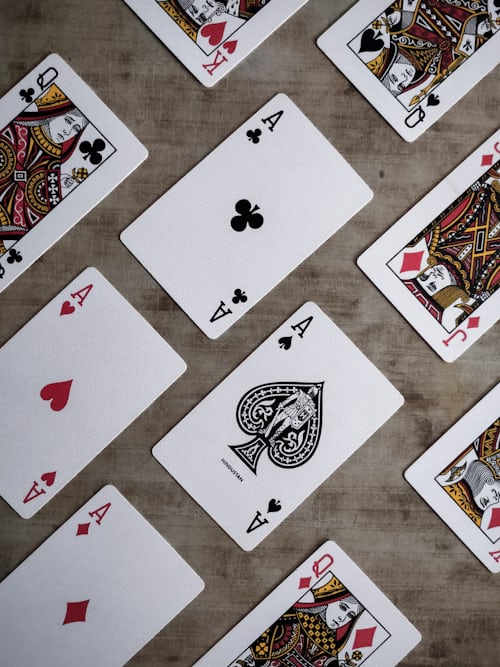
Exploring Unique Gaming Experiences
Platforms like Ice Fishing Game India offer unique gaming experiences that blend skill and chance in captivating ways. By incorporating local elements and themes, these platforms create a connection with players that transcends mere gambling. The potential for significant winnings, such as 5,000 times the stake, adds to the allure and excitement.
These innovative gaming experiences highlight the importance of understanding cultural insights into gambling practices. By offering engaging gameplay alongside local payment methods and user-friendly guides, platforms aim to enhance the overall experience while fostering a safe and secure environment for players.